The Journal
It’s a space for real thoughts, helpful insights, and quiet reminders that your symptoms are not random, your body is not broken, and you are not alone.
Inside, you’ll find practical guidance, gentle perspective shifts, and stories from and about women who have spent years holding it all together, just like you are. If you’re navigating migraines, burnout, or just feeling off in your own body, you’re in the right place.
These aren’t just wellness tips. They are invitations to come back to yourself.

Why “Normal” Test Results Don’t Mean Nothing Is Wrong
Being told your test results are normal can be reassuring and frustrating at the same time when you still don’t feel well. This Journal entry explores the difference between testing for disease and evaluating function, why unexplained symptoms still deserve attention, and when the upper cervical spine and nervous system may be another piece worth investigating.

Why Chronic Pain Drains Your Energy and How SoftWave Supports Healing
Chronic pain does more than hurt. It drains your energy, changes how your body moves, and keeps your nervous system stuck in protection mode. In this post, Dr. Nimira explains why pain feels so exhausting and how SoftWave Therapy helps support healing, reduce compensation patterns, and restore energy.

Dizziness Without Vertigo: The Overlooked Neck Connection
Not all dizziness feels like vertigo. Many people experience rocking, floating, brain fog, or imbalance without room spinning. This blog explains the connection between the upper cervical spine and balance, how neck misalignment can contribute to cervicogenic dizziness, and why the neck is often overlooked in dizziness care.

Can SoftWave Help Neck-Related Headaches? What Patients Need to Know
Many headaches originate from the neck, but treating the muscles alone is not always the answer. Dr. Nimira explains why structural care comes first and how SoftWave can be used later to support chronically tight muscles and improve long term results.

How to Stop Monitoring Every Sensation in Your Body
Recovery often changes after 40, but that does not mean something is wrong. This blog explains how nervous system regulation and upper cervical alignment influence healing, energy, and resilience. Learn why slower recovery can be a structural signal and how chiropractic care may help support healthier aging.
Why Soft Tissue Injuries Linger Longer After 40 and What Helps
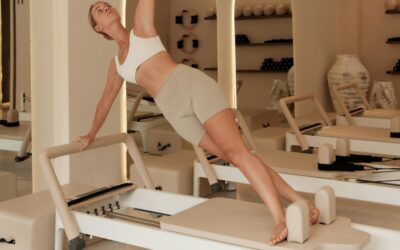
If you feel like your body does not bounce back the way it used to, you are not imagining it. Many women notice that after 40, a simple strain, twist, or overuse injury can take longer to heal. What once felt like a quick recovery may now turn into weeks or even...

Why Recovery Looks Different After 40 and Why That’s Not a Failure
At some point, many people notice a shift. You used to bounce back quickly from stress, travel, workouts, or poor sleep. Now recovery takes longer. Pain lingers. Energy feels less predictable. It can be frustrating and sometimes even discouraging. But this is not a...

Why “Just Strengthen It” Doesn’t Work When Tissue Is Still Injured
“Just strengthen it.” It’s one of the most common pieces of advice people hear after an injury. And while strengthening absolutely has its place, there is something important that often gets missed. You cannot strengthen tissue that has not finished healing. At ALIVE...

When Rest Doesn’t Help: How Burnout Affects Healing
You finally slowed down. You slept in. You took a day off. So why do you still feel exhausted? Burnout is more than being tired. And when rest doesn’t restore you, it’s often a sign that your nervous system is not actually in recovery mode - even if your schedule says...

Rebuilding Confidence in Your Body After Injury with SoftWave Therapy
Even after an injury heals, many people find themselves hesitating, modifying movements, or feeling disconnected from their bodies. In this post, Dr. Nimira explores how SoftWave Therapy helps rebuild physical function and emotional confidence after injury—supporting a full return to strength, mobility, and body trust.